Trail running can be an exhilarating experience, a chance to connect with nature, challenge your physical limits, and discover new landscapes. Yet, for those just starting out, the transition from pavement to uneven terrain introduces a whole new set of considerations for the body, particularly the feet. The impact forces are different, the stability demands are higher, and the constant negotiation with roots, rocks, and gradients puts unique stresses on the lower limbs. It’s an adventure, certainly, but one that requires a mindful approach to preparation and equipment. Amongst the myriad of gear choices—from shoes to hydration packs—one aspect often overlooked or misunderstood by novices is the critical role of proper foot support.
- •Understanding Foot Arch Support for Beginner Trail Runners
- ◦Why Specific Foot Arch Support Matters for Beginner Trail Runners
- •Identifying Your Foot Arch Type: A Crucial First Step
- •Types of Arch Support Available for Trail Runners
- ◦Stock Insoles vs. Aftermarket Insoles
- ◦Semi-Custom and Custom Orthotics
- •Integrating Arch Support into Your Trail Running Practice
- •Common Pitfalls and Misconceptions About Arch Support
- •When Professional Guidance Becomes Essential
- •FAQ: Foot Arch Support for Beginner Trail Runners
- ◦What is the most common mistake beginner trail runners make regarding arch support?
- ◦Can I use my road running insoles for trail running?
- ◦How often should I replace my aftermarket insoles for trail running?
- ◦Will arch support weaken my feet over time?
Many beginner trail runners might simply grab a pair of trail shoes and hit the dirt, assuming the shoe itself provides all the necessary support. However, individual foot mechanics vary wildly, and what works perfectly for one person might lead to discomfort or injury for another. This is where the nuanced discussion of foot arch support for beginner trail runners becomes not just relevant, but absolutely essential. Understanding how your foot interacts with the ground, and how supplemental support can enhance that interaction, is a foundational step towards a sustainable and enjoyable trail running practice. It's about building a solid base, quite literally, from the ground up, to prevent common aches and pains before they even start.
The terrain itself dictates much of this need. Unlike the predictable, relatively flat surfaces of road running, trails are inherently dynamic. Each step can be different, requiring micro-adjustments from the foot and ankle to maintain balance and absorb impact. Over time, without adequate support tailored to one's specific foot structure, this constant stress can lead to issues ranging from plantar fasciitis and shin splints to more complex knee or hip problems. Therefore, for anyone new to the sport, delving into the world of foot arch support for trail runners">beginner trail runners isn't just about comfort; it's about injury prevention, performance enhancement, and ensuring longevity in a sport that promises so much in return for a little careful consideration.
Understanding Foot Arch Support for Beginner Trail Runners
The concept of arch support is often simplified, but in reality, it's a complex interplay of biomechanics, materials science, and individual physiology. For beginner trail runners, grasping this complexity without becoming overwhelmed is key. At its core, arch support refers to the structural assistance provided to the medial longitudinal arch of the foot. This arch, a marvel of natural engineering, is designed to absorb shock, distribute weight, and act as a spring during propulsion. However, not all arches are created equal. Some individuals have high arches that are rigid and less effective at shock absorption, while others have low or flat arches that may overpronate, meaning the foot rolls excessively inward during gait. A neutral arch falls somewhere in between.
When you introduce the variable of trail running, these inherent differences in foot structure become even more pronounced. The uneven surfaces demand greater stability and adaptability from the foot. A foot that might manage fine on a paved road could struggle significantly on a rocky descent or a slippery uphill climb. This is precisely why specific consideration for foot arch support for beginner trail runners is so important. It's not just about cushioning; it's about providing stability, guiding the foot through a more efficient and less stressful gait cycle, and ultimately, protecting the delicate structures of the foot and lower leg from the repetitive, sometimes jarring, impacts of the trail.
Many trail running shoes offer some degree of built-in arch support, but this is typically a generic design intended to suit a broad range of foot types. It might be sufficient for some, but for others, especially those with pronounced arch issues or those who are new to the sport and whose feet are not yet accustomed to the demands of the trail, supplemental support becomes invaluable. This supplemental support can come in various forms, from over-the-counter insoles to custom-molded orthotics, each offering different levels of intervention and tailored fit. The goal is always the same: to create a stable, comfortable, and efficient platform for the foot to perform its complex tasks on unpredictable terrain.
Why Specific Foot Arch Support Matters for Beginner Trail Runners
The transition from road running to trail running is not merely a change of scenery; it's a fundamental shift in the biomechanical demands placed upon the body, particularly the feet. For beginner trail runners, this shift can be quite jarring, and without adequate preparation and support, it can quickly lead to discomfort or injury. The primary reason why specific foot arch support is so crucial for this demographic lies in the increased instability and variability of the terrain. Roads offer a consistent, predictable surface. Trails, on the other hand, present a continuous challenge: rocks, roots, mud, loose gravel, steep ascents, and technical descents. Each step requires the foot to adapt, stabilize, and absorb impact in a unique way.
Cumulative effect of hundreds, if not thousands, of these micro-adjustments over the course of a run. A foot with insufficient arch support, or support that doesn't match its natural mechanics, will be forced to work harder to maintain stability. This overworked state can lead to fatigue in the intrinsic muscles of the foot, the tendons, and the ligaments. When these structures tire, they become less effective at their job of supporting the arch and absorbing shock, making the runner more susceptible to issues like plantar fasciitis, Achilles tendonitis, shin splints, and even stress fractures. For beginners, whose feet and lower limbs may not yet have developed the strength and resilience needed for trail running, this risk is amplified.
Many beginners might not have the most efficient running form, especially on technical terrain. They might be prone to heel striking more aggressively, or their foot might land in awkward positions more frequently. Proper arch support can help guide the foot into a more neutral and stable position upon impact, facilitating a smoother transition through the gait cycle. It acts as a foundational element, providing stability that allows the runner to focus on their form and the trail ahead, rather than constantly battling internal instability. This isn't about replacing the natural function of the foot, but rather augmenting it to cope with the unique stresses of the trail environment, helping beginner trail runners build resilience and confidence without unnecessary pain.

Identifying Your Foot Arch Type: A Crucial First Step
Before you can effectively choose or understand foot arch support for beginner trail runners, you must first understand your own feet. Specifically, knowing your arch type is perhaps the most fundamental piece of information. This isn't just an arbitrary classification; it directly impacts how your foot absorbs shock, distributes pressure, and functions during dynamic activities like running on uneven trails. There are generally three categories: low arches (or flat feet), neutral arches, and high arches.
The easiest and most common way to get a general idea of your arch type is through the "wet test." Simply wet the sole of your foot and step onto a piece of paper, a brown paper bag, or a concrete surface where your footprint will be visible. Step off, and observe the imprint:
- Low Arch/Flat Foot: If you see almost the entire imprint of your foot, with very little or no inward curve, you likely have a low arch or flat foot. This foot type tends to overpronate, meaning it rolls excessively inward during movement, which can lead to issues if not properly supported.
- Neutral Arch: If you see a clear imprint of your heel and forefoot, with a distinct curve on the inside where your arch is, you likely have a neutral arch. This is generally considered the most biomechanically efficient foot type, as it pronates adequately to absorb shock without overdoing it.
- High Arch: If you see only the heel and the ball of your foot, with a very thin band connecting them, or even a disconnected print, you likely have a high arch. This foot type tends to supinate (underpronate), meaning it rolls outward excessively, and can be less effective at shock absorption due to its rigidity.
While the wet test offers a good starting point, it's a simplified assessment. For a more precise understanding, especially if you experience persistent pain or discomfort, consulting a podiatrist or a specialized running shoe store with gait analysis equipment can provide invaluable insights. They can assess your foot structure, gait cycle, and pressure points, offering a more accurate picture of your individual needs for foot arch support for beginner trail runners.
Types of Arch Support Available for Trail Runners
Once you have a better understanding of your arch type, the next step is to explore the various forms of arch support available. These options range in cost, customization, and level of intervention. For beginner trail runners, starting with less aggressive options and gradually moving towards more specialized solutions if needed is often the most sensible approach.
Stock Insoles vs. Aftermarket Insoles
Most trail running shoes come with a basic, removable insole. These "stock" insoles are typically thin, offer minimal arch support, and are primarily designed for cushioning and a bit of moisture wicking. They are a one-size-fits-all solution that rarely caters to specific arch types or biomechanical needs. For many beginner trail runners, especially those with neutral arches and no pre-existing foot issues, these might suffice for shorter, less technical runs. However, for those seeking enhanced comfort, stability, or pain prevention, aftermarket insoles are a significant upgrade.
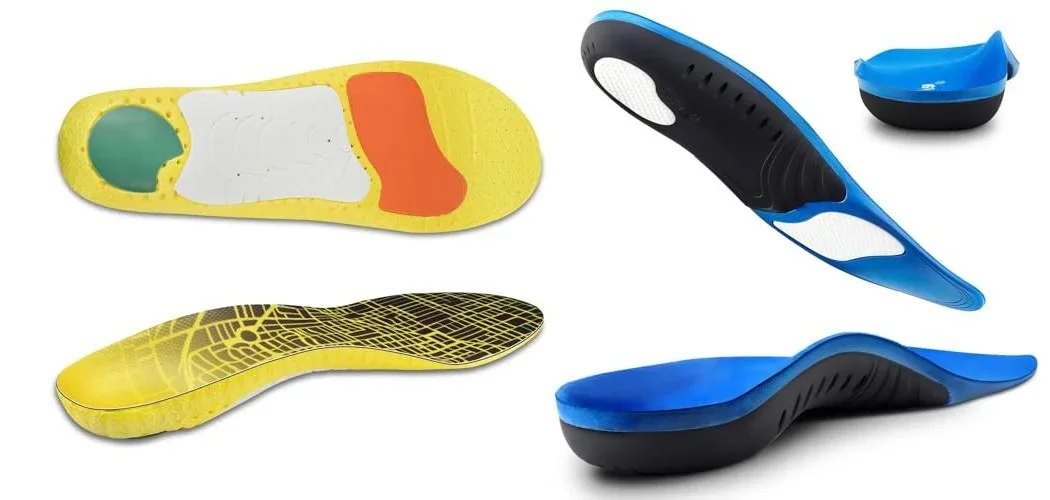
Aftermarket insoles, often referred to as orthotic inserts, are designed to replace the stock insoles in your shoes. They come in various designs, catering to different arch types and levels of support. You can find options specifically for low arches (providing stability and preventing overpronation), high arches (offering cushioning and flexibility), and neutral arches (enhancing natural support). These insoles are typically constructed from more durable materials, offer better shock absorption, and have a more contoured shape to cradle the arch effectively. Brands like Superfeet, Currex, and SOLE are popular choices, offering a range of options that can make a substantial difference in comfort and performance for a beginner on the trails. It's important to try a few different types to see what feels best, as personal comfort is paramount.
Semi-Custom and Custom Orthotics
Beyond over-the-counter aftermarket insoles, there are semi-custom and fully custom orthotics. Semi-custom orthotics involve a more precise fitting process, often using heat-moldable materials that conform to the unique shape of your foot. These are a step up from generic inserts, offering a more personalized fit without the expense of full custom orthotics. They can be particularly beneficial for beginner trail runners who have moderate arch issues or persistent discomfort that isn't fully alleviated by standard aftermarket insoles.
Custom orthotics, on the other hand, are prescription devices created by a podiatrist or other foot specialist. They involve taking a precise mold of your foot, which is then used to fabricate an insert that perfectly matches your unique biomechanics. These are the most expensive option but offer the highest level of support and correction. Custom orthotics are typically recommended for individuals with severe arch issues, significant gait imbalances, or those experiencing chronic pain and injuries that haven't responded to other forms of treatment. For a beginner trail runner, custom orthotics are usually considered a last resort after other options have been explored, or if a medical professional specifically recommends them due to an underlying condition.
The choice among these options for foot arch support for beginner trail runners should be a gradual one, starting with simpler solutions and escalating as needed. The goal is to find the least intrusive yet most effective support that allows for comfortable and injury-free running.

Integrating Arch Support into Your Trail Running Practice
Finding the right foot arch support is only half the battle; the other half is integrating it effectively into your trail running routine. For beginner trail runners, this integration should be a gradual process, allowing your feet and body to adapt to the new sensation and support. Rushing into it can sometimes cause new discomfort or even minor aches as your muscles and tendons adjust to a different alignment.
When you first introduce new insoles or orthotics, whether they are aftermarket or custom, don't immediately take them on your longest or most technical trail run. Start by wearing them for short periods during your daily activities. Walk around the house, wear them to work, and get accustomed to how they feel. This allows for a gentle break-in period for both the insoles and your feet. Once they feel comfortable for everyday wear, transition them into your shorter, easier trail runs. Perhaps start with a 20-30 minute run on a familiar, less technical trail.
Pay close attention to how your feet, ankles, knees, and even hips feel during and after these initial runs. Some initial muscle soreness is normal as your body adjusts to a new alignment, but sharp pain or persistent discomfort is a sign that something might be wrong. If you experience pain, try to identify its location and nature. It might mean the arch support is too aggressive, not supportive enough, or simply not the right type for your foot. Don't hesitate to experiment with different brands or types of insoles if the first choice isn't working out. Many running stores have generous return policies for insoles, understanding the trial-and-error nature of finding the perfect fit.
Another crucial aspect is understanding that arch support is just one piece of the puzzle. It complements, but does not replace, other good practices. This includes choosing appropriate trail running shoes, strengthening your foot and ankle muscles, practicing good running form, and gradually increasing your mileage and intensity. For a beginner, these elements collectively contribute to a robust and injury-resistant running foundation. Think of arch support as a helpful tool that enhances your natural capabilities, rather than a crutch that does all the work for you. Consistency in wearing your chosen support, especially during runs, will yield the best long-term benefits.
Common Pitfalls and Misconceptions About Arch Support
While foot arch support for beginner trail runners is undeniably beneficial, there are several common pitfalls and misconceptions that can hinder its effectiveness or even lead to new problems. Navigating these can save a lot of frustration and potential discomfort.
One common mistake is assuming "more support is always better." This isn't necessarily true. Over-correcting a foot's natural pronation or supination can be just as detrimental as under-supporting it. An overly aggressive arch support, especially for someone with a neutral or slightly pronating foot, can force the foot into an unnatural position, leading to pain in the arch, heel, or even higher up the kinetic chain. The goal is balance and natural alignment, not rigid control. It's about subtle guidance, not forcing the foot into an unnatural position. This is why a gradual introduction and careful listening to your body are so important.
Another misconception is that arch support will instantly fix all running-related pains. While it can certainly alleviate many common issues, it's not a magic bullet. Pain can stem from a multitude of factors, including poor running form, inadequate strength in supporting muscles, improper shoe fit, or simply doing too much too soon. If pain persists despite proper arch support, it's crucial to look beyond the insoles and consider other contributing factors. Consulting with a running coach, physical therapist, or podiatrist can help diagnose the root cause of the problem.
Some beginners also fall into the trap of thinking that once they have arch support, they no longer need to work on foot and ankle strength. This couldn't be further from the truth. Strong, resilient feet and ankles are paramount for trail running, regardless of the level of arch support used. In fact, relying solely on external support without strengthening the intrinsic muscles of the foot can potentially weaken them over time. Incorporating exercises like calf raises, toe curls, balance drills, and barefoot walking (on safe surfaces) can complement your arch support, building a truly robust foundation for your trail adventures.
Finally, there's the belief that arch support is a permanent solution that never needs reassessment. Insoles wear out, just like shoes. The materials compress and lose their supportive properties over time. Depending on your mileage and the intensity of your runs, aftermarket insoles typically need to be replaced every 6-12 months. Custom orthotics might last longer, but even they can lose their effectiveness or become less appropriate as your foot changes or your running form evolves. Regularly checking the condition of your insoles and reassessing your needs is an important part of maintaining optimal foot arch support for beginner trail runners as they progress.

When Professional Guidance Becomes Essential
While much can be achieved through self-assessment and over-the-counter solutions, there are times when professional guidance for foot arch support for beginner trail runners becomes not just beneficial, but truly essential. Understanding these junctures can prevent prolonged suffering and more serious injuries. It's important to recognize that while general advice is helpful, individual feet and biomechanics are uniquely complex.
If you've tried various aftermarket insoles, assessed your arch type, and diligently followed integration advice, yet still experience persistent or worsening pain, it's a clear signal to seek professional help. This includes chronic pain in your arches, heels (like persistent plantar fasciitis), shin splints that don't resolve, knee pain, or even hip pain that you suspect is related to your foot mechanics. A podiatrist or a sports medicine doctor can conduct a comprehensive gait analysis, often using specialized equipment that captures detailed biomechanical data. They can accurately diagnose underlying issues, such as structural abnormalities, muscle imbalances, or gait inefficiencies that generic solutions simply cannot address.
Podiatrist might recommend custom orthotics if they identify a significant biomechanical issue that requires precise correction. Unlike off-the-shelf insoles, custom orthotics are crafted to perfectly match the contours of your foot, providing targeted support and correction that can dramatically improve alignment and reduce stress on specific areas. This level of precision is invaluable for complex cases or for runners with specific medical conditions that affect their feet.
Physical therapist can offer a holistic perspective. They can assess not just your feet, but your entire kinetic chain – from your hips to your ankles – to identify weaknesses, imbalances, or movement patterns that contribute to your pain. They can then prescribe targeted exercises to strengthen weak muscles, improve flexibility, and refine your running form, working in conjunction with any arch support you might be using. This integrated approach often yields the most sustainable results, ensuring that the foot arch support for beginner trail runners is part of a larger strategy for injury prevention and performance enhancement. Don't view seeking professional help as a failure of your own efforts, but rather as a smart investment in your long-term running health and enjoyment.
FAQ: Foot Arch Support for Beginner Trail Runners
What is the most common mistake beginner trail runners make regarding arch support?
The most common mistake is either ignoring arch support altogether, assuming their shoes provide everything needed, or conversely, buying the most aggressive support without understanding their own arch type. Many beginners don't realize the unique demands of trail running necessitate more nuanced foot care than road running. It’s critical to assess your foot type and gradually introduce appropriate support, rather than making assumptions.
Can I use my road running insoles for trail running?
While you theoretically *can* use them, it's generally not ideal. Road running insoles are designed for predictable, flat surfaces. Trail running demands more stability, lateral support, and often better shock absorption on uneven terrain. Some road insoles might suffice for very mild trails, but for more technical or longer runs, specific trail-oriented insoles or those designed for higher impact and stability will offer superior protection and comfort. Investing in dedicated foot arch support for beginner trail runners tailored to the trail environment is a wise decision.
How often should I replace my aftermarket insoles for trail running?
Aftermarket insoles typically last between 6 to 12 months, depending on your mileage, body weight, and the intensity of your trail runs. You'll notice they need replacing when the cushioning feels less responsive, the arch support starts to flatten, or if you begin to experience old aches and pains returning. Regularly inspect them for signs of wear and tear, and replace them proactively to maintain optimal foot arch support for beginner trail runners.
Will arch support weaken my feet over time?
This is a common concern, but generally, no, not if used correctly. Arch support is meant to *assist* your foot, not replace its natural function. While it provides external stability, it doesn't mean your foot muscles stop working. In fact, by providing a more stable base, it can allow your foot muscles to function more efficiently without being constantly overworked by instability. However, it's still crucial to incorporate foot and ankle strengthening exercises into your routine to build natural resilience and strength. A balanced approach is key.
Navigating the world of trail running as a beginner is a journey filled with discovery, challenge, and immense satisfaction. Taking the time to understand and address your body's specific needs, particularly concerning foot arch support for beginner trail runners, is a fundamental step toward making that journey a long and healthy one. It’s not about overthinking every detail, but rather about thoughtful preparation. Listen to your body, be patient with the process of adaptation, and don't hesitate to seek guidance when needed. With the right support underfoot, the trails await, ready to offer their unique rewards.