Discover how to modify pushups for senior wrist pain, enabling safe strength training. This article details practical, effective adjustments for comfortable exercise. Many seniors find pushups challenging due to wrist discomfort. This often limits their ability to build upper body strength. Understanding how to modify pushups for senior wrist pain is key. It allows continued engagement in beneficial exercises. We will explore various techniques to support your fitness journey. This guide aims to empower you with knowledge. You can safely adapt pushups to your body's needs.
- •Understanding Wrist Pain in Seniors During Pushups
- ◦Common Causes of Wrist Discomfort
- •Key Principles to Modify Pushups for Senior Wrist Pain
- ◦Prioritizing Joint Health and Comfort
- •Practical Modifications for Senior Wrist Pain
- ◦Using Equipment to Support Your Wrists
- ◦Wall Pushups for Reduced Strain
- ◦Elevated Surface Pushups (Countertops, Benches)
- ◦Knee Pushups and Modified Hand Positions
- •Advanced Techniques and Considerations
- ◦Strengthening Supporting Muscles
- ◦Improving Wrist Mobility and Flexibility
- ◦Listening to Your Body and Adjusting
- ◦When to Seek Professional Advice
- •Integrating Modifications into Your Routine
- ◦Creating a Progressive Training Plan
- ◦Warm-Up and Cool-Down Routines
- ◦Consistency and Patience
Pushups are a fantastic compound exercise. They work the chest, shoulders, and triceps. They also engage the core. For seniors, maintaining this strength is vital. It supports daily activities and improves overall quality of life. However, age-related changes can affect joints. Wrist pain during pushups is a common complaint. This pain doesn't mean you must give up on pushups entirely. Instead, it signals a need for adaptation. Learning to modify pushups for senior wrist pain can keep you active. It helps you continue building strength without injury.
This article will guide you through several effective modifications. We will discuss equipment, body positioning, and alternative movements. Our goal is to provide clear, actionable advice. You can then perform pushups comfortably and effectively. We aim to help you understand the "why" behind each adjustment. This knowledge allows you to tailor exercises specifically for you. Building strength should always be a positive experience. It should never involve unnecessary pain. Let's explore how to make pushups work for you.
Understanding Wrist Pain in Seniors During Pushups
Wrist pain during pushups is a frequent issue for older adults. Several factors contribute to this discomfort. Arthritis is a common culprit. Osteoarthritis, the "wear and tear" type, can affect wrist joints. It causes pain and stiffness. Rheumatoid arthritis, an autoimmune condition, also impacts joints. It leads to inflammation and damage. These conditions reduce joint flexibility and tolerance to pressure. Understanding these underlying causes helps us to modify pushups for senior wrist pain effectively.
Another factor is decreased bone density. This makes bones more susceptible to stress. Loss of cartilage also plays a role. Cartilage cushions the joints. Its reduction means bones rub together more easily. This creates friction and pain. Tendonitis or carpal tunnel syndrome can also cause wrist pain. These conditions result from inflammation or nerve compression. The direct pressure on the wrists during a standard pushup exacerbates these issues. Therefore, modifications are essential.
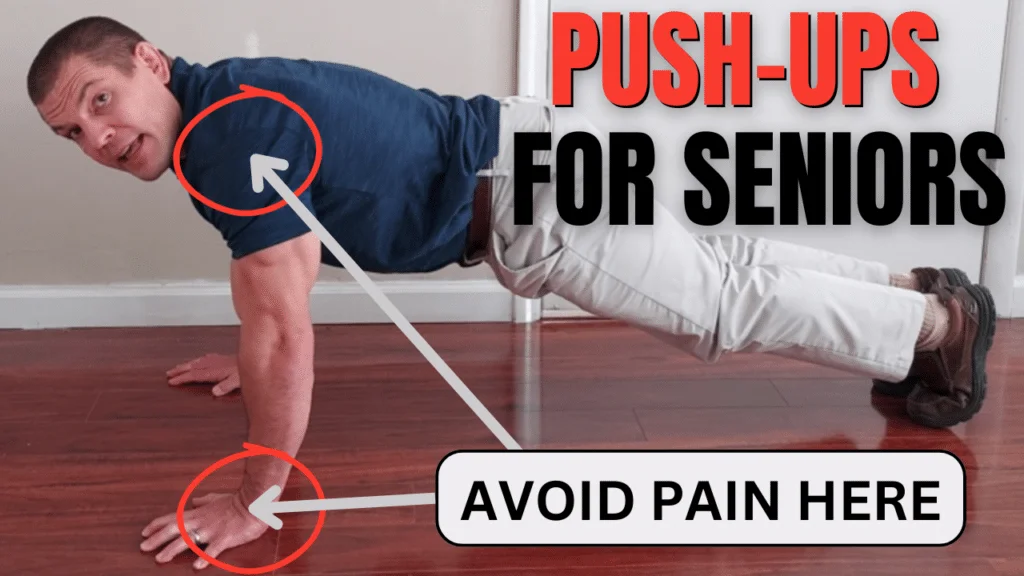
The standard pushup position places wrists in extreme extension. This means the hand is bent backward sharply. This angle puts significant stress on the wrist joint. It compresses nerves and tendons. For seniors with pre-existing conditions, this can be very painful. Even without a specific diagnosis, tissues become less resilient with age. They heal slower and tolerate less strain. This is why we need thoughtful strategies to modify pushups for senior wrist pain. We must protect these delicate structures.
Common Causes of Wrist Discomfort
Several everyday activities can contribute to wrist issues. Repetitive motions are a big one. Typing, gardening, or even lifting grandchildren can strain wrists. Over time, these small stresses add up. They can lead to chronic pain or acute flare-ups. When you then attempt a pushup, the wrist is already vulnerable. This makes the exercise uncomfortable or impossible. Addressing these underlying issues is important for overall wrist health.
Lack of proper warm-up is another common oversight. Cold muscles and joints are less pliable. They are more prone to injury. Seniors especially need a thorough warm-up. This prepares the wrists for the demands of exercise. Joint mobility exercises are particularly helpful. They increase blood flow and synovial fluid production. This lubricates the joints. Incorporating gentle wrist stretches before any strength training is crucial. This helps to prevent pain when you modify pushups for senior wrist pain.
Poor form during pushups also contributes to wrist pain. If weight isn't distributed correctly, wrists bear too much load. Hands might be too far forward or too wide. This creates awkward angles. Proper form ensures the body moves as a unit. It distributes stress evenly. We will discuss how to maintain good form with modifications. This helps to minimize wrist strain. Focusing on technique is as important as the modification itself. You can find more information on gentle calisthenics exercises for shoulder pain in seniors which might also offer relevant insights into joint care.
Key Principles to Modify Pushups for Senior Wrist Pain
When looking to modify pushups for senior wrist pain, a few core principles guide our approach. The primary goal is to minimize wrist extension. This means keeping the wrist in a more neutral position. A neutral wrist is neither bent forward nor backward excessively. This reduces compression and strain on the joint. It also protects the tendons and nerves. Achieving this neutral position is central to all effective modifications.
Another principle is to distribute the load. Instead of concentrating all pressure on the hands, we can spread it. This might involve using different body parts or equipment. For example, using forearms or fists can shift pressure. Elevating the hands also helps. This changes the angle of the body. It reduces the amount of weight pressing down on the wrists. These strategies are fundamental when you modify pushups for senior wrist pain.
Gradual progression is also crucial. Don't jump into the hardest modification right away. Start with the easiest version that causes no pain. Slowly increase the challenge as strength improves. Listen to your body always. Any sharp pain means you should stop. Rest and reassess. Building strength takes time and patience. Consistency with pain-free exercise is more important than intensity. This careful approach helps avoid setbacks.
Prioritizing Joint Health and Comfort
Your joint health should always be the top priority. Exercise should feel good and empowering. It should never be a source of constant discomfort. If a modification still causes pain, it's not the right one for you. There are many ways to build upper body strength. Pushups are just one option. The goal is to find movements that support your body. We want to enhance your well-being, not detract from it.
Regular communication with your healthcare provider is also wise. Discuss any persistent pain or concerns. They can offer personalized advice. They might recommend specific therapies or exercises. A physical therapist can also provide tailored guidance. They can assess your individual needs. They can suggest the best ways to modify pushups for senior wrist pain. Professional input ensures you're exercising safely.
Remember that strength training is a journey. It's not a race. There will be good days and challenging days. Be kind to your body. Celebrate small victories. Focus on consistent effort and smart modifications. This mindset will help you stay motivated. It will also ensure long-term success in your fitness goals. Adapting your exercises shows wisdom and self-care. It's a sign of strength, not weakness.

Practical Modifications for Senior Wrist Pain
Let's dive into some practical ways to modify pushups for senior wrist pain. These adjustments focus on changing the angle of your wrists. They also help to redistribute the pressure. You'll find options using different equipment and body positions. Experiment to see what feels best for your body. Remember, the key is to find a pain-free way to perform the exercise.
Using Equipment to Support Your Wrists
One of the most effective ways to modify pushups for senior wrist pain is through equipment. Pushup handles or parallettes are excellent tools. They allow you to grip a stable bar. This keeps your wrists in a neutral position. Instead of bending backward, your wrists stay straight. The handles elevate your hands slightly. This also reduces the angle of your body. It decreases the overall load on your wrists. These are a great investment for anyone with wrist issues.
Dumbbells can also serve a similar purpose. Place two dumbbells on the floor, parallel to each other. Grip the handles firmly. Ensure they are stable and won't roll. This method also maintains a neutral wrist. It reduces the strain significantly. Choose hexagonal dumbbells if possible. Their shape prevents rolling. This adds an extra layer of safety. Always ensure your grip is secure before starting the exercise.
Wedge cushions or yoga wedges can be very helpful. These are angled foam blocks. You place your hands on them with your fingers pointing down the slope. This reduces the degree of wrist extension. It takes some pressure off the joint. They offer a gentler angle than flat ground. This can be a good starting point if handles are too challenging. They provide a subtle but effective way to modify pushups for senior wrist pain.
Wall Pushups for Reduced Strain
Wall pushups are a fantastic starting point. They are highly effective for reducing wrist and overall body strain. Stand facing a wall, about arm's length away. Place your hands flat on the wall at shoulder height and width. Lean towards the wall, bending your elbows. Then push back to the starting position. Your body weight is significantly reduced with this modification. This makes it much easier on the wrists. You can adjust the intensity by moving your feet closer or further from the wall. Further away increases the challenge.
This modification is excellent for building foundational strength. It allows you to focus on proper body alignment. You can practice engaging your core and keeping your body straight. As your strength improves, you can gradually increase the challenge. You might move further from the wall. Or, you could progress to an elevated surface pushup. Wall pushups are a perfect example of how to modify pushups for senior wrist pain safely and effectively.
Elevated Surface Pushups (Countertops, Benches)
Elevated surface pushups are the next progression from wall pushups. These involve placing your hands on a stable elevated surface. A kitchen countertop, a sturdy bench, or a low table works well. The higher the surface, the easier the pushup. This is because less of your body weight is supported by your arms. This reduces the load on your wrists. As you get stronger, you can gradually lower the height of the surface. This increases the challenge.
To perform an elevated pushup, stand facing the surface. Place your hands on the edge, slightly wider than shoulder-width. Step your feet back until your body forms a straight line. Lower your chest towards the surface by bending your elbows. Push back up until your arms are extended. This modification allows you to maintain a neutral wrist position. It also builds strength progressively. This is a highly adaptable way to modify pushups for senior wrist pain.
Knee Pushups and Modified Hand Positions
Knee pushups are a classic modification. They reduce the amount of body weight you lift. This makes the exercise less demanding. Start on your hands and knees. Place your hands slightly wider than your shoulders. Lower your chest towards the floor. Keep your back straight. Push back up to the starting position. This modification significantly reduces strain on the wrists. It allows you to focus on chest and arm strength. It's a great option when you need to modify pushups for senior wrist pain.
Within knee pushups, you can also modify hand positions. Consider making a fist. Place your fists on the floor with your knuckles down. This keeps your wrists straight and neutral. It removes the extreme extension. Ensure your fists are stable. You might want to use a folded towel or yoga mat for extra padding. This helps protect your knuckles. This simple change can make a big difference. It's an excellent method to modify pushups for senior wrist pain.
Another option is to use your forearms. This is sometimes called a "plank pushup." Start in a forearm plank position. Your elbows are directly under your shoulders. Your forearms are flat on the ground. Push up through your forearms to lift your body. This removes the wrists from the equation entirely. It's a very safe way to build core and upper body strength. While not a traditional pushup, it offers similar benefits. It's a powerful tool when you need to modify pushups for senior wrist pain.
Advanced Techniques and Considerations
Once you've mastered the basic modifications, you might look for more advanced techniques. These can further enhance comfort and strength. Remember to always prioritize pain-free movement. Listen carefully to your body's signals. Progression should be slow and deliberate. The goal is sustainable fitness, not rapid, risky gains. This thoughtful approach helps you to modify pushups for senior wrist pain successfully over the long term.
Strengthening Supporting Muscles
Strengthening the muscles around your wrists can provide better support. Forearm muscles, both flexors and extensors, are crucial. Incorporate exercises like wrist curls and reverse wrist curls. Use light weights or resistance bands. These exercises build resilience in the tendons and ligaments. A stronger forearm can better stabilize the wrist joint. This reduces the strain during pushups. Strengthening these muscles directly helps when you want to modify pushups for senior wrist pain.
Grip strength is also very important. A strong grip helps distribute pressure more effectively. Hand squeezers or gripping exercises can improve this. Regularly squeezing a tennis ball or a grip trainer helps. This enhances overall hand and forearm strength. Improved grip can make holding pushup handles more comfortable. It also contributes to better control during the movement. It's an often-overlooked aspect of wrist health.
Don't forget about core strength. A strong core stabilizes your entire body. This includes your shoulders and hips. A stable core prevents your body from sagging. It helps maintain proper alignment during a pushup. This reduces unnecessary stress on your wrists. Exercises like planks, bird-dog, and dead bugs are excellent. You can find more core strength exercises on core strength exercises for trail running beginners, which are also beneficial for general fitness. A solid core foundation makes all upper body exercises safer.

Improving Wrist Mobility and Flexibility
Regular wrist mobility exercises are vital. They help maintain a healthy range of motion. Gentle wrist circles, both clockwise and counter-clockwise, are simple. Wrist flexions and extensions, performed slowly, also help. Hold each stretch for 15-30 seconds. Never push into pain. These movements increase blood flow and lubricate the joints. They can make your wrists more tolerant to pressure. This proactive approach supports your ability to modify pushups for senior wrist pain.
Stretching the forearms is also beneficial. Extend one arm straight out, palm up. Use your other hand to gently pull your fingers down towards the floor. You'll feel a stretch along the top of your forearm. Then, extend your arm palm down. Pull your fingers up towards your body. This stretches the underside. These stretches can relieve tension. They improve the flexibility of the muscles crossing the wrist joint. Regular stretching should be part of your routine.
Listening to Your Body and Adjusting
This is perhaps the most critical piece of advice. Your body provides constant feedback. Pay attention to it. If a modification causes pain, stop immediately. It's not working for you. There are always other options. Don't push through discomfort. That can lead to injury. Instead, try a different modification. Or, take a rest day. Sometimes, a day or two of rest is all you need. This allows tissues to recover.
Keep a journal of your exercises. Note what feels good and what causes pain. Track your progress. This helps you identify patterns. It allows you to make informed decisions about your routine. For example, you might find that elevated pushups feel better on certain days. Or, you might discover that using parallettes is always comfortable. This personalized approach is key to long-term success. It's how you truly master how to modify pushups for senior wrist pain.
When to Seek Professional Advice
While this article offers many practical tips, it's not a substitute for professional medical advice. If you experience persistent or worsening wrist pain, consult a doctor. This is especially true if the pain limits daily activities. A doctor can diagnose any underlying conditions. They can recommend appropriate treatment. This might include medication, physical therapy, or other interventions. Early intervention can prevent minor issues from becoming major problems.
A physical therapist can be invaluable. They can assess your specific wrist mechanics. They can identify any imbalances or weaknesses. They can then create a customized exercise plan for you. This plan will include specific stretches and strengthening exercises. They can also guide you on the best ways to modify pushups for senior wrist pain. Their expertise ensures you exercise safely and effectively. Don't hesitate to seek their guidance.
Integrating Modifications into Your Routine
Making these modifications a regular part of your exercise routine is important. Don't view them as temporary fixes. See them as smart, sustainable ways to train. Consistency is key to building strength and improving joint health. A well-planned routine helps you stay motivated. It also ensures you progress safely. Here's how to integrate these strategies when you modify pushups for senior wrist pain.
Creating a Progressive Training Plan
Start with the easiest modification that feels comfortable. For many, this will be wall pushups. Perform 2-3 sets of 8-12 repetitions. Focus on perfect form. Once you can do 3 sets easily, progress to a slightly harder variation. This might mean moving your feet further from the wall. Or, you could move to an elevated surface pushup. Gradually lower the surface height as you get stronger.
When using equipment like pushup handles, start with an elevated version. For example, perform pushups with handles on a sturdy bench. Then, progress to handles on the floor. This slow progression builds strength without overloading your wrists. Remember to always maintain that neutral wrist position. This careful approach helps you to modify pushups for senior wrist pain effectively over time.
Warm-Up and Cool-Down Routines
A proper warm-up is non-negotiable for seniors. Start with 5-10 minutes of light cardio. This could be marching in place or arm circles. Then, move to dynamic stretches. Include wrist circles, forearm stretches, and gentle arm swings. This prepares your muscles and joints for exercise. It reduces the risk of injury. A good warm-up makes the subsequent pushup modifications feel much better.
After your workout, dedicate time to a cool-down. This helps your body recover. Perform static stretches, holding each for 20-30 seconds. Focus on chest, shoulder, and triceps stretches. Include gentle wrist and forearm stretches. This improves flexibility. It also helps reduce muscle soreness. A consistent cool-down routine supports overall joint health. It's an important part of any fitness plan, especially when you modify pushups for senior wrist pain.
Consistency and Patience
Building strength and adapting your body takes time. Don't get discouraged if progress feels slow. Consistency is far more important than intensity. Aim for 2-3 strength training sessions per week. Allow at least one rest day between sessions. This gives your muscles time to repair and grow stronger. Celebrate small improvements. Maybe you can now do one more repetition. Or, perhaps you can use a slightly lower surface. These are all signs of progress.
Patience is a virtue in fitness, especially for seniors. Your body changes with age. It requires a more thoughtful and gentle approach. Trust the process. Stick with your modified pushups. Over time, you will notice significant improvements in strength and comfort. The ability to modify pushups for senior wrist pain allows you to enjoy the benefits of this great exercise for years to come.
In conclusion, confronting wrist pain during pushups as a senior doesn't mean giving up on this beneficial exercise. Instead, it invites a smart, adaptive approach. By understanding the causes of discomfort and applying thoughtful modifications, you can continue to build crucial upper body and core strength. Whether through specialized equipment, body position adjustments like wall or elevated pushups, or even changing how your hands contact the floor, there are many effective strategies. Remember, the goal is always to exercise safely and comfortably. Embrace these methods to modify pushups for senior wrist pain, empowering you to maintain an active and strong lifestyle.
This proactive approach not only safeguards your wrists but also ensures you continue to reap the numerous benefits of regular exercise, contributing significantly to your overall well-being and independence as you age. Keep moving, keep adapting, and keep thriving.